12 Senior Discounts Most People Never Ask For
Many businesses and public agencies offer lower prices for older adults — but they rarely advertise it. Here is where to ask.

Dottie’s take: Honey, the word “senior” is the cheapest coupon you’ll ever own. I say it at every counter in town.
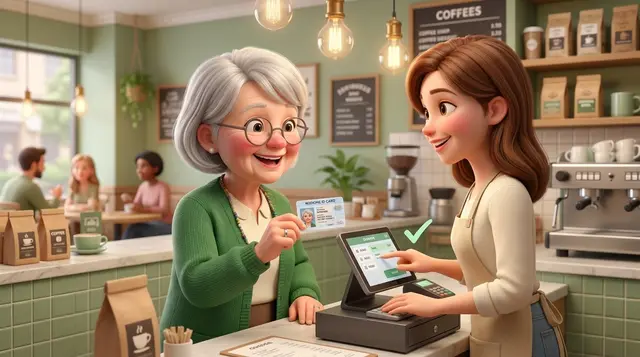
Senior discounts are one of the easiest ways to save money, because you do not have to change anything about how you live. You just have to ask. Many discounts start at age 55, 60, 62 or 65, and the rules are different everywhere. A friendly “Do you offer a senior discount?” at the counter or on the phone can pay off again and again.
Quick tip: Keep a photo ID handy. Most places only need to see your date of birth.
1. Public transit fares
Bus and train systems that receive federal funding must offer reduced fares to riders 65 and older (and to Medicare card holders) during off-peak hours. Many cities offer even bigger discounts. Ask your local transit agency about a senior or reduced-fare card.
2. National parks
U.S. citizens and permanent residents age 62 and older can buy a senior pass that covers entrance fees at national parks and many other federal recreation areas. It is one of the best deals around if you enjoy the outdoors.
3. State parks, fishing and hunting licenses
Many states offer free or reduced-price park passes and fishing or hunting licenses for older residents. Check your state’s parks and wildlife website.
4. Car insurance
In many states, drivers who finish an approved defensive-driving course (often available online) can get a discount on their car insurance. Call your insurance company and ask which courses qualify.
5. Phone plans for 55+
Several wireless carriers offer special plans for customers 55 and older that can cost less than standard plans. If your bill feels high, call your carrier and ask what 55+ options they have.
6. Property tax relief
Most states and many counties offer property tax exemptions, freezes or credits for older homeowners. These can be worth hundreds of dollars a year. Call your county assessor’s office and ask, “What property tax relief is available for seniors?”
7. Utility bills
Some electric, gas and water companies offer discounts or payment help for older or lower-income customers. Ask your utility about senior rates, budget billing and assistance programs.
8. Free tax preparation
The IRS supports free tax help programs, including Tax Counseling for the Elderly (TCE) and VITA, staffed by trained volunteers. Sites open each tax season at libraries, senior centers and community centers.
9. Restaurants
Some restaurants offer senior menus, smaller portions at lower prices, or a discount on certain days. It never hurts to ask your server.
10. Stores and pharmacies
Some grocery stores, pharmacies and retailers have a weekly “senior day” with a percentage off your purchase. Ask at customer service which day it is.
11. Movies, museums and events
Movie theaters, museums, zoos, gardens and concerts often have lower prices for seniors. Many museums also have free days that anyone can enjoy.
12. Banking
Some banks and credit unions offer checking accounts with no monthly fee for older customers. If you pay a monthly fee today, ask if there is a senior account option.
The bottom line
Discounts change often, so the best habit is simple: ask every time. Write down the ones you find and share them with friends — that is what Senior Dime is all about.
Dottie’s 30-second benefits check
Answer 2 quick yes-or-no questions to see which benefits you may qualify for. Free, no forms. Tap your age:
Under 65? Tap hereThis guide is for general information only. Program rules, dates and amounts can change and may vary by state. Please confirm details with the official program or a trusted advisor.