5 Scams Targeting Seniors — and How to Spot Them
Scammers count on surprise and pressure. Knowing their tricks is the best protection.
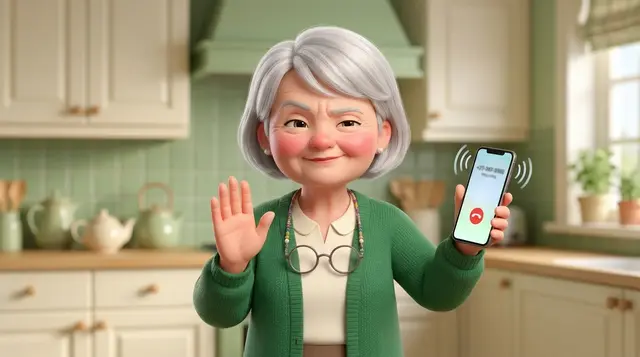

Dottie’s take: If a stranger says “act now” and “gift card” in the same breath, I hang up. Loudly.
Older Americans lose billions of dollars to scams every year. Scammers are friendly, convincing and in a hurry. The good news: nearly every scam uses the same few tricks.
1. Government impostors
A caller says they are from Medicare, Social Security or the IRS and needs your number, or says you owe money. Real agencies do not call out of the blue demanding information or payment. Hang up and call the official number yourself.
2. The “grandparent” scam
Someone calls pretending to be a grandchild in trouble — in jail, in a car accident — and begs you to send money and keep it secret. Hang up and call your grandchild or another family member directly.
3. Tech support scams
A pop-up or phone call says your computer has a virus and asks you to call a number or give someone remote access. Real tech companies don’t do this. Close the window, and never give a stranger control of your computer.
4. Prize and lottery scams
You “won” a prize — but must pay a fee or taxes first. A real prize never requires you to pay to collect it.
5. Romance scams
A new online friend you have never met in person starts asking for money for an emergency, travel or medical bills. Never send money to someone you have only met online.
The golden rule: If someone asks you to pay with a gift card, wire transfer, cryptocurrency or cash, it is a scam.
Where to get help
- National Elder Fraud Hotline: 1-833-372-8311
- Report fraud to the FTC: ReportFraud.ftc.gov
- Medicare fraud: 1-800-MEDICARE (1-800-633-4227)
Dottie’s 30-second benefits check
Answer 2 quick yes-or-no questions to see which benefits you may qualify for. Free, no forms. Tap your age:
Under 65? Tap hereThis guide is for general information only. Program rules, dates and amounts can change and may vary by state. Please confirm details with the official program or a trusted advisor.